
E é por isso || And that is why
Os vídeos abaixo foram realizados por César Paredes Labraña e Camila Fernández Celis, artistas com prática no cruzamento entre criação artística, mediação cultural e trabalho comunitário. Ambos têm desenvolvido projectos no Chile e em Portugal, com especial enfoque em processos colaborativos, participação intergeracional e trabalho com comunidades locais, integrando o registo audiovisual como parte desses processos.
The videos were created by César Paredes Labraña and Camila Fernández Celis, whose practice operates at the intersection of artistic creation, cultural mediation and community-based work.
Both have developed projects in Chile and Portugal, with a particular focus on collaborative processes, intergenerational participation and work with local communities, incorporating audiovisual documentation as part of these practices.
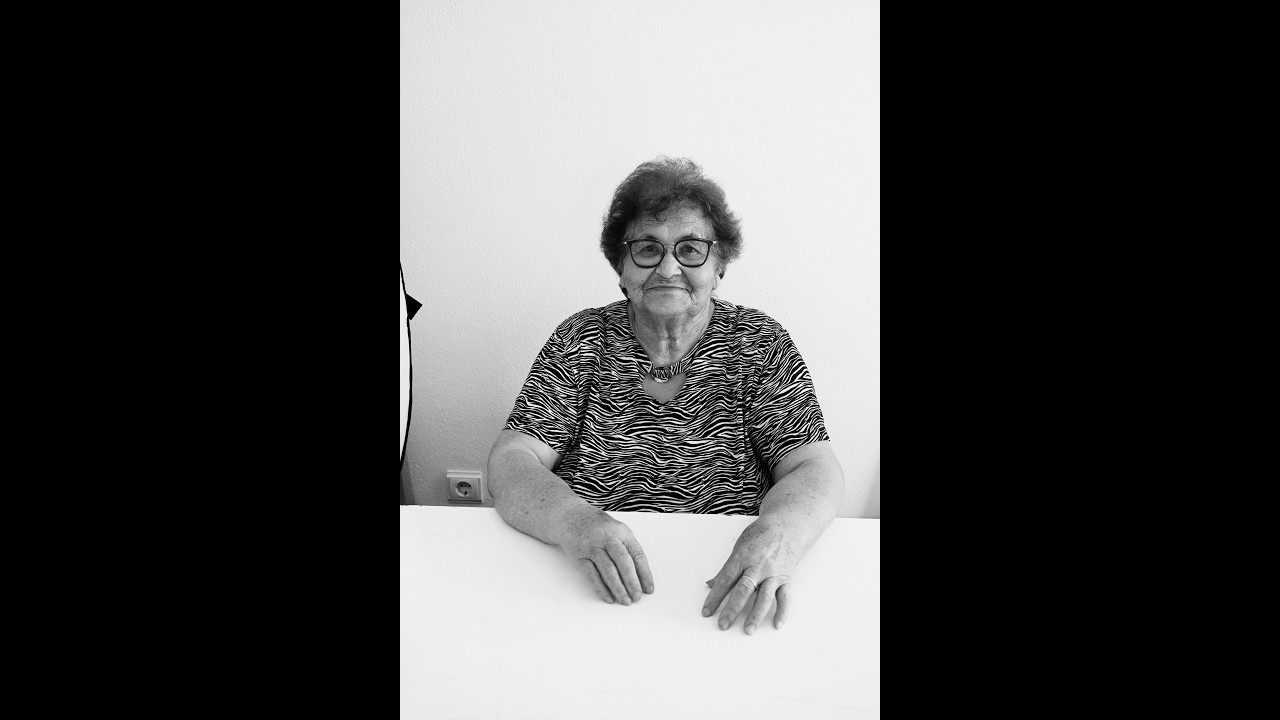
“Traz lembranças de antigamente. As minhas tias faziam e metiam hortelã em vez de coentros.”
“It brings back memories of the past. My aunts used to make it and would use mint instead of coriander.”
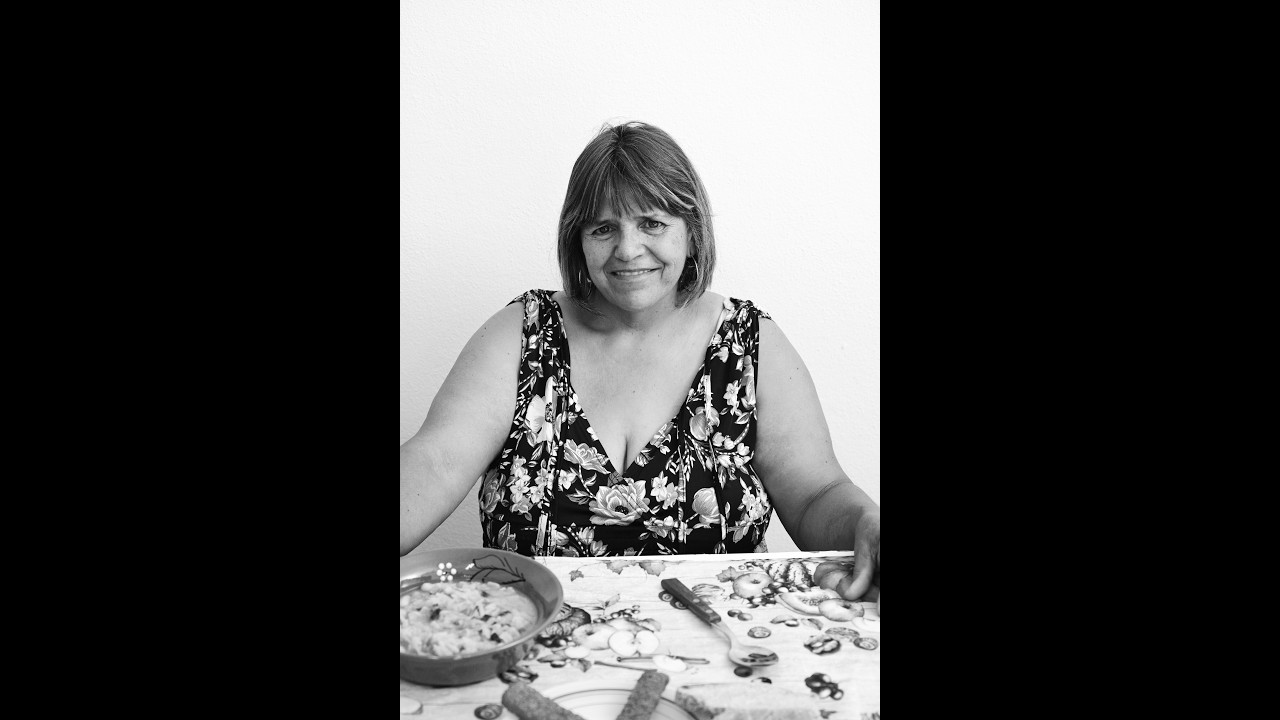
“Os meus genros só conhecem as minhas couves com feijão. Eles adoram!”
“My sons-in-law only know my cabbage and bean soup. They love it!”

“A gente gosta muito da Sopa da Pedra”
“We love the Rock Soup”
“Costumo fazer quando vêm os meus netos. Eles adoram.”
“I usually make it when my grandchildren come over. They love it.”

“Íamos caçar juntos e fazíamos para comer todos juntos.”
“I usually make it when my grandchildren come over. They love it.”

“É uma receita minha, também da minha mãe e da minha avó”
“It’s my recipe and also my mother’s and my grandmother’s.”
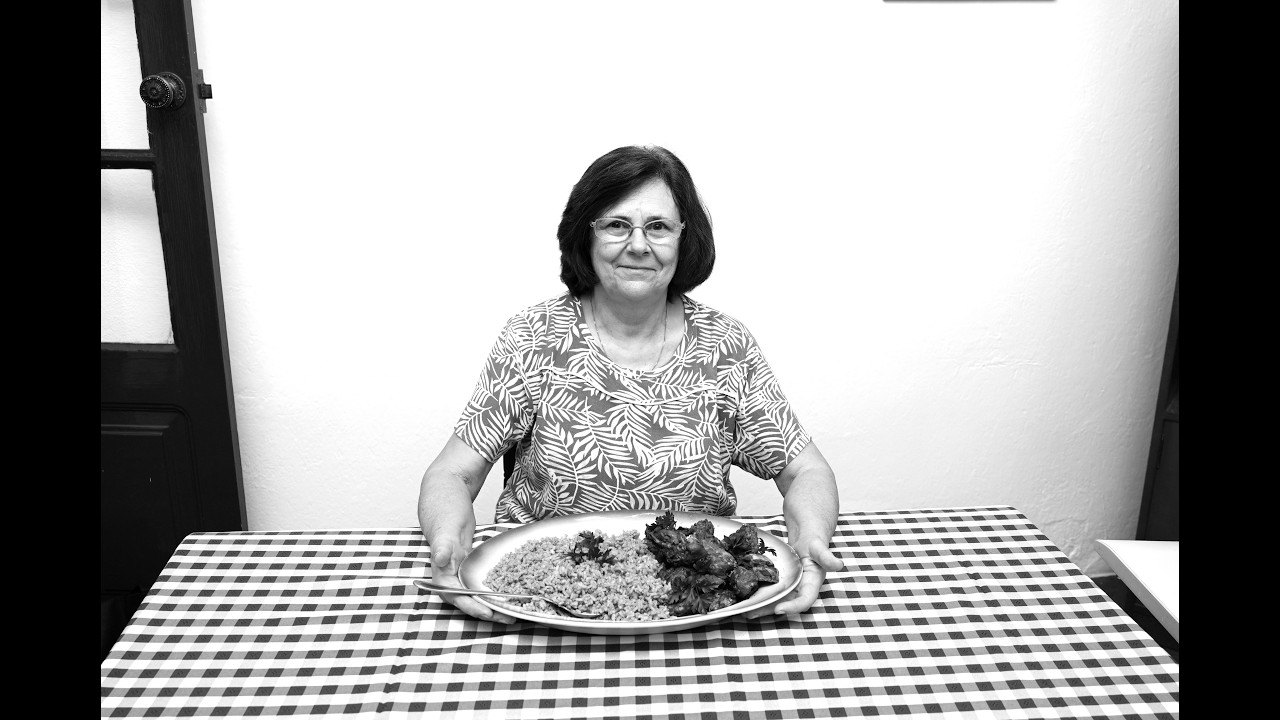
“Estávamos a semana toda a espera que chegasse o domingo para comer este coelho.”
“We spent the whole week waiting for Sunday to come so we could eat this rabbit.”

“É o prato da família!”
“It’s the family dish!”
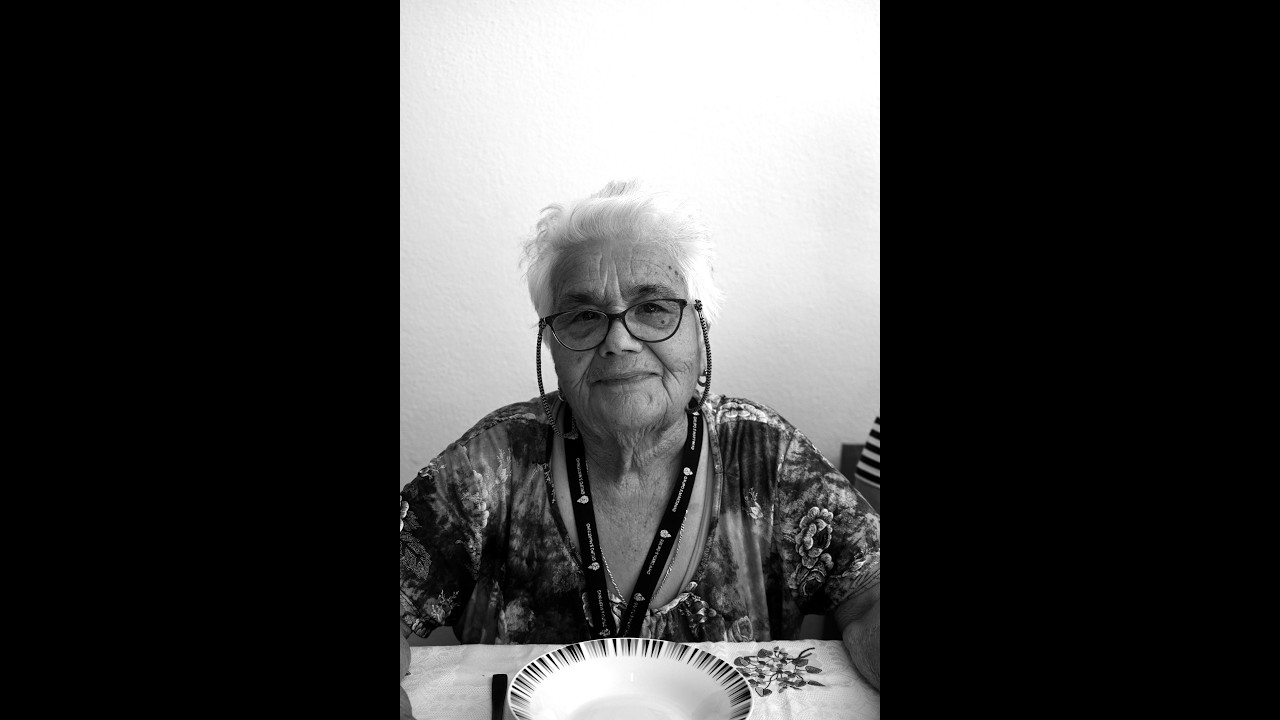
“Do tempo da avó. Eu aprendi com ela. Ela fazia sempre porque era dos Gorjões, no Algarve.”
“From my grandmother’s time. I learned it from her. She always made it because she was from Gorjões, in the Algarve.”

“A minha mãe fazia na véspera para eu levar para o trabalho e eu gostava muito”
“My mother used to make this the day before for me to take to work, and I really liked it.”

“Sempre fiz o meu pequeno-almoço à minha maneira”
“I’ve always cooked my breakfast my own way.”
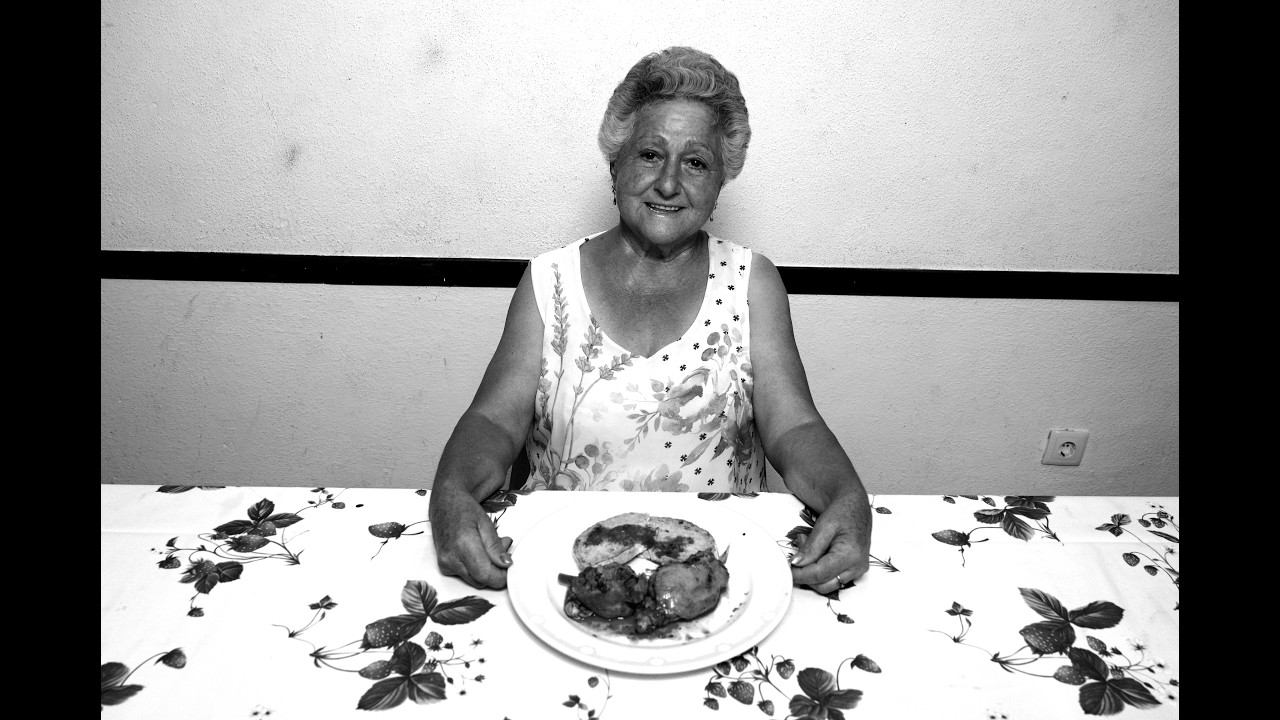
“As pessoas acharam que eu fazia melhor que a minha mãe.”
“People thought I did it better than my mother.”

“É um prato que me lembra a minha infância”
“It’s a dish that reminds me of my childhood.”

“Provei este prato na Ericeira, à beira -mar. Gostei muito e fiz.”
“I tried this dish in Ericeira, by the sea. I liked it very much and cooked it.”
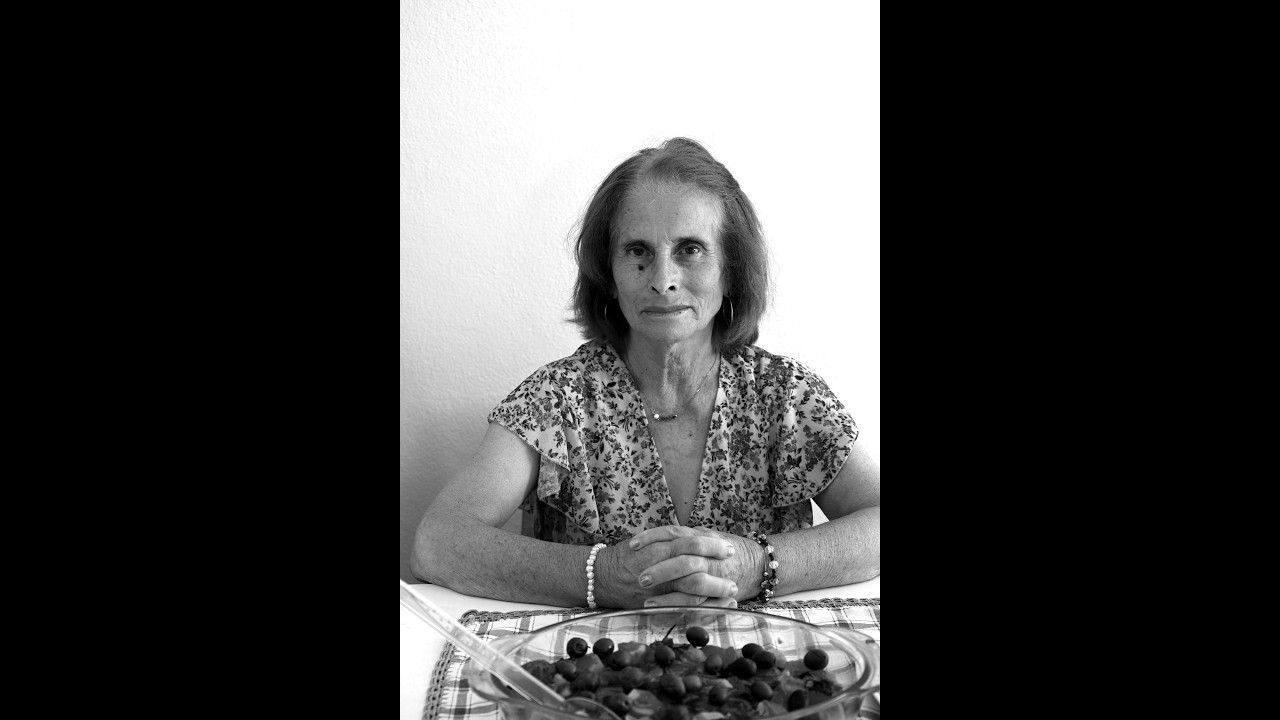
“Traz lembranças de quando a minha ‘árvore da família’ estava melhor. Agora já está quase tombada.”
“It brings back memories of when my ‘family tree’ was in a better state. Now it is almost fallen.”

“Já há mais de 20 anos que eu não faço. Só faço para o meu filho.”
“I haven’t cooked this for over 20 years. I only cook it for my son.”

“É uma recordação da minha avó. Ela guardava num tachinho de barro bem tapadinho a noite toda e eu levava de manhã no trator”
“It’s a memory of my grandmother. She would keep it in a small clay pot, well covered, all night, and I would take it with me on the tractor in the morning.”

“Em casa todos gostam muito, mas dá muito trabalho e já pouco faço.”
“Everyone at home really likes it, but it takes a lot of work and I don’t make it much anymore.”

“O meu pai gostava muito deste prato”
“My father was very fond of this dish.”

“Foi cozinhado na panela da minha mãe que morreu com 104 anos! Éramos pobres mas havia riqueza de amor.”
“It was cooked in my mother’s pot, who lived to be 104! We were poor but we were rich in love.”
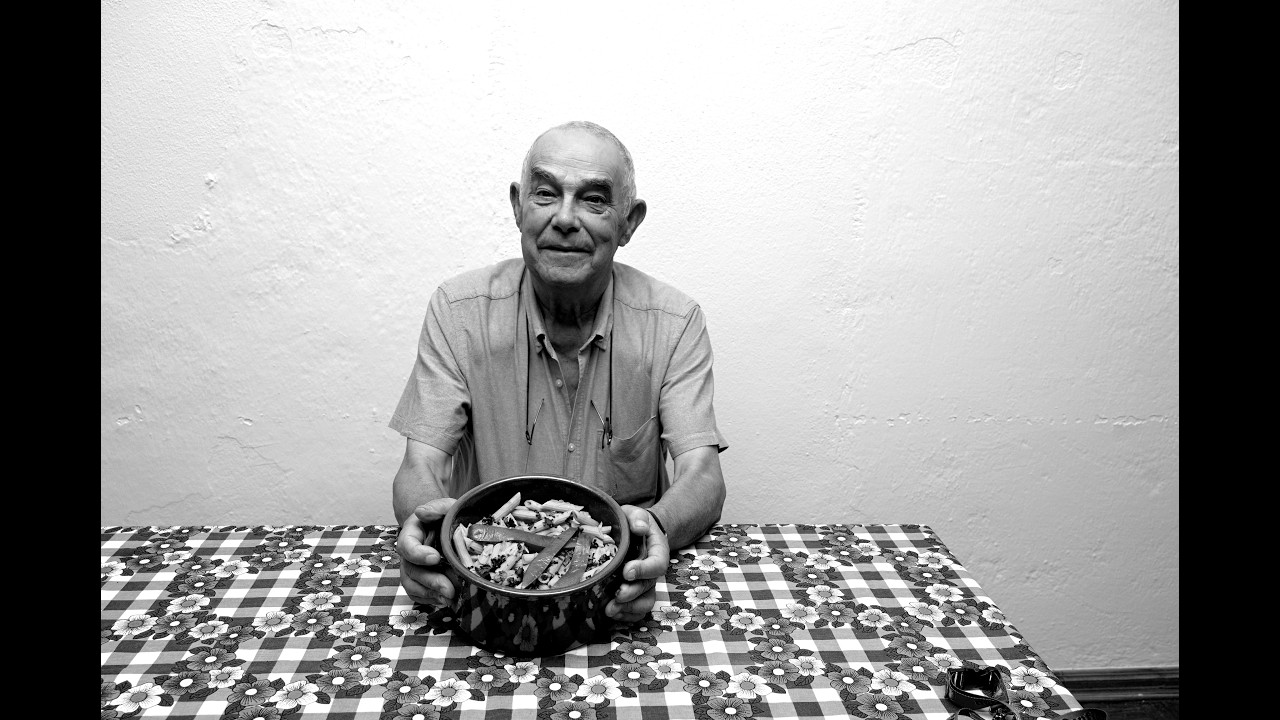
“Era um prato que se fazia quando se trabalhava no campo”
“It was a dish made when people worked in the fields.”

“É uma receita de há muito tempo. A minha mãe fazia.”
“It’s a very old recipe. My mother used to make it.”
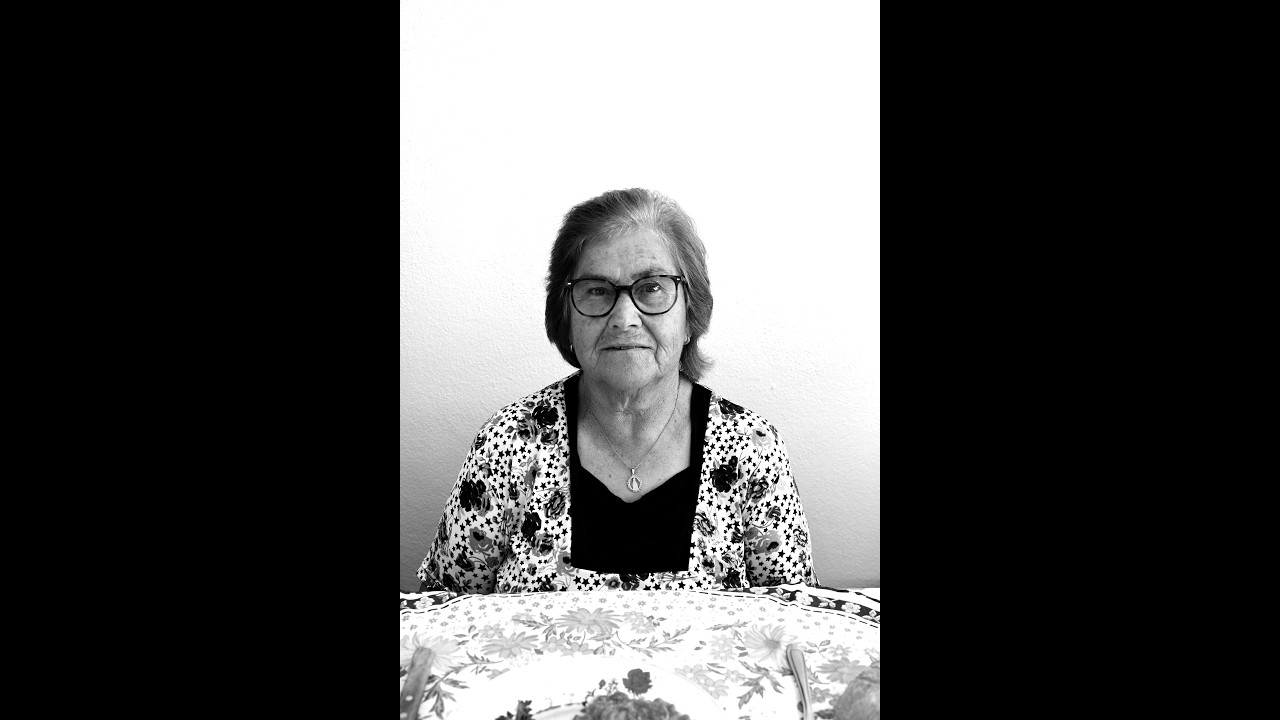
“É o prato da minha mãe e da minha avó.”
“It’s my mother’s and my grandmother’s dish.”

“É o prato de quando éramos crianças. Era o prato dos pobres.”
“It’s the dish from when we were children. It was the poor people’s dish.”

“A minha mãe fez antes de eu ser vegetariana e adorei. Tinha uma mistura de sabor africano e português.”
“My mother made this before I became vegetarian and I loved it. It had a mix of African and Portuguese flavours.”
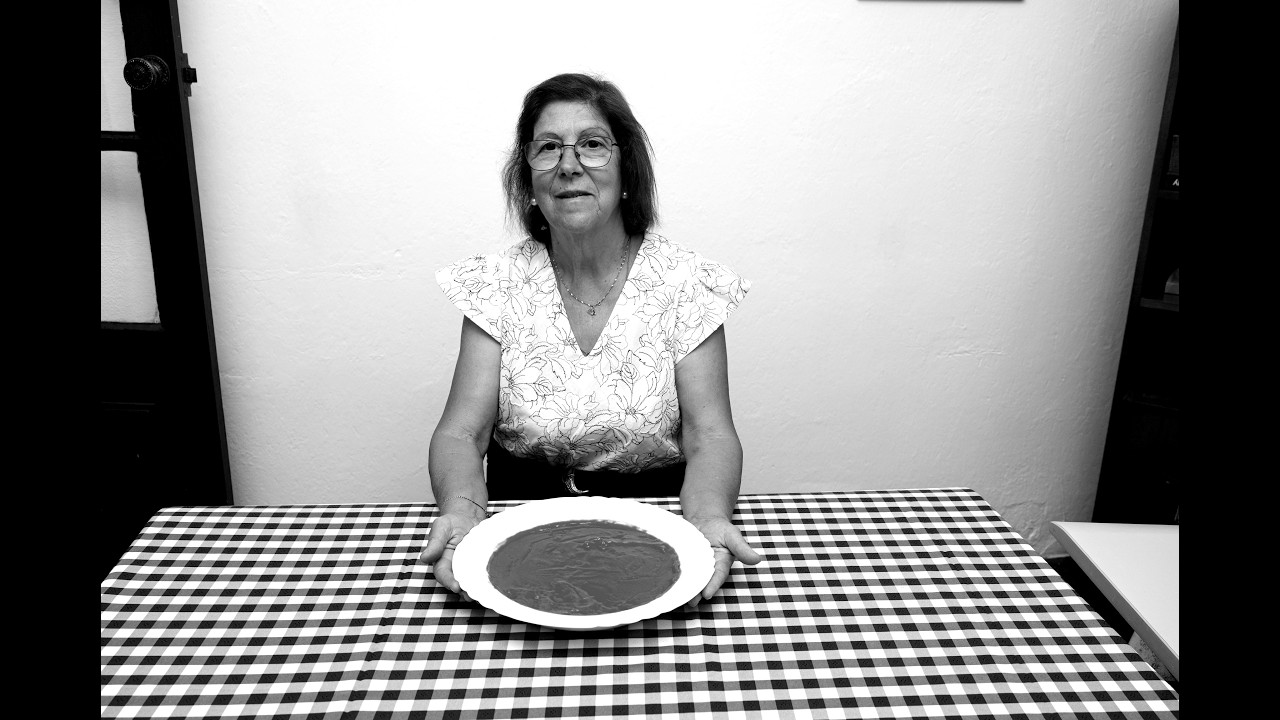
“A minha mãe que gostava de fazer para mim e eu agora faço para ela.”
“My mother who liked to cook this for me, and now I cook it for her.”
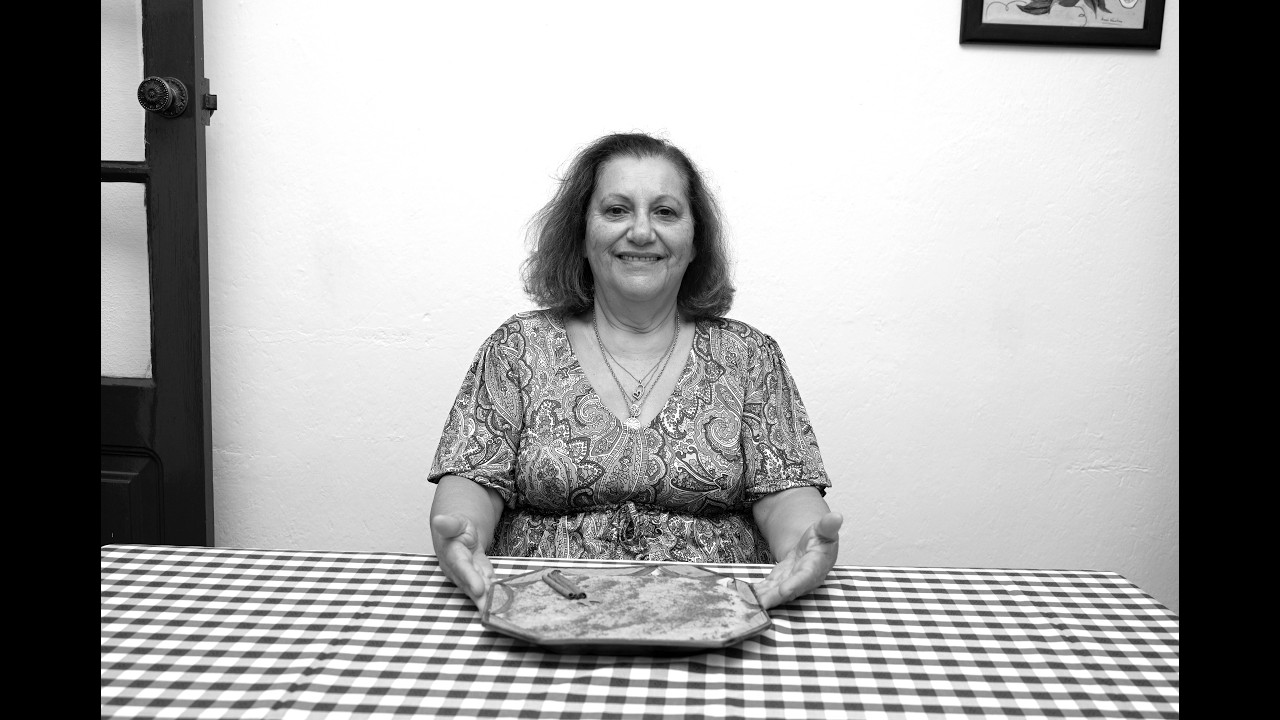
“Foi a minha mãe que me ensinou mas eu fui aperfeiçoando. Serve-se sempre na tacinha de barro.”
“It was my mother who taught me, but I’ve improved it. It’s always served in a small clay bowl.”
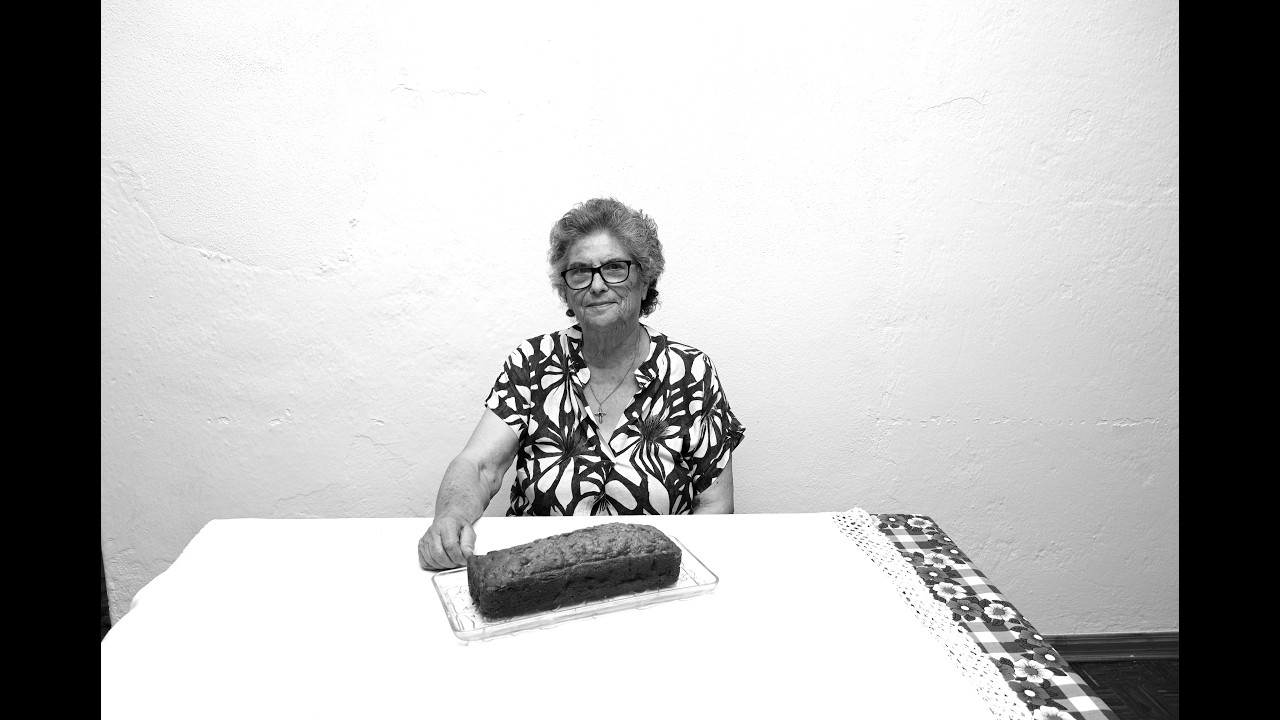
“É um bolo que já faço há muitos anos. A gente tinha muitas maçãs e eu comecei a fazer sem receita.”
“It’s a cake I’ve been baking for many years. We used to have lots of apples, and I started baking it without a recipe.”

“Fazia sempre para o meu marido quando ele fazia anos.”
“I always made it for my husband on his birthday.”
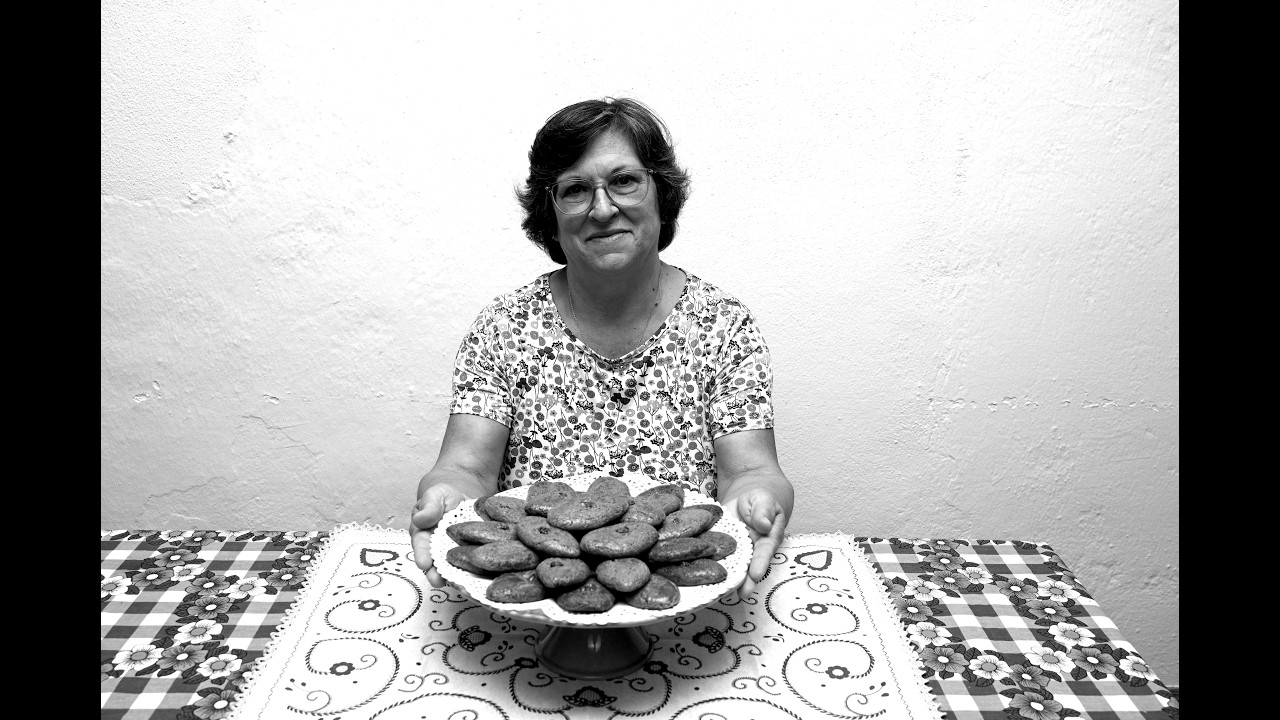
“Fica sempre na memória.”
“It stays forever in your memory.”

“É a receita da avó. Ela fazia quando estava a fazer anos.”
“It’s my grandmother’s recipe. She used to cook it on her birthday.”

“Sempre gostei de fazer este bolo e as minha filhas adoram.”
“I’ve always liked making this cake, and my daughters love it.”

“Não é qualquer pessoa que faz o pudim desta forma.”
“Not just anyone makes the pudding this way.”
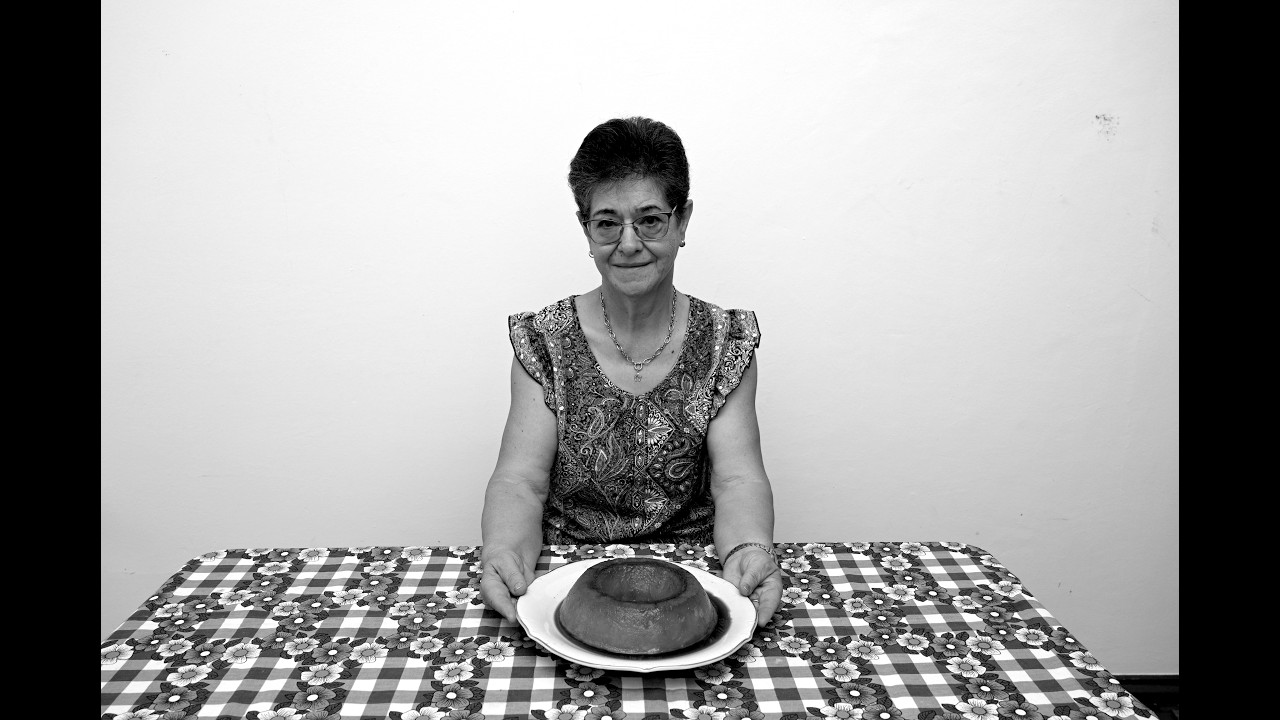
“É o doce tradicional da minha família. Em nenhuma festa podia faltar.”
“It’s my family’s traditional dessert. It was never missing from any celebration.”
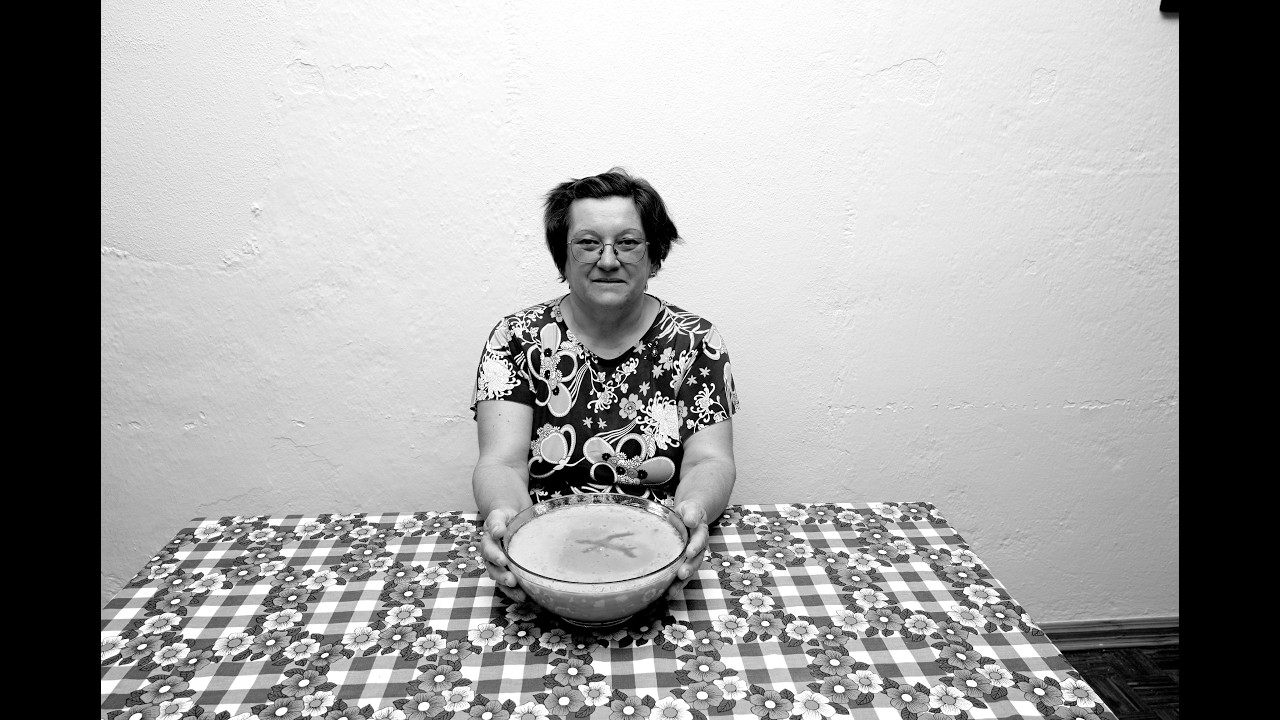
“É uma receita que todo o mundo conhece nesta terra.”
“It’s a recipe that everyone here knows.”

“A minha neta começou a fazer comigo e por isso o nome da receita ficou assim.”
“My granddaughter started making them with me, and that’s why the recipe got this name.”

“Eu não sabia cozinhar e a primeira coisa que eu fiz foi a torta de laranja e o meu marido adorou!”
“I didn’t know how to cook, and the first thing I made was this orange roll, and my husband loved it!”
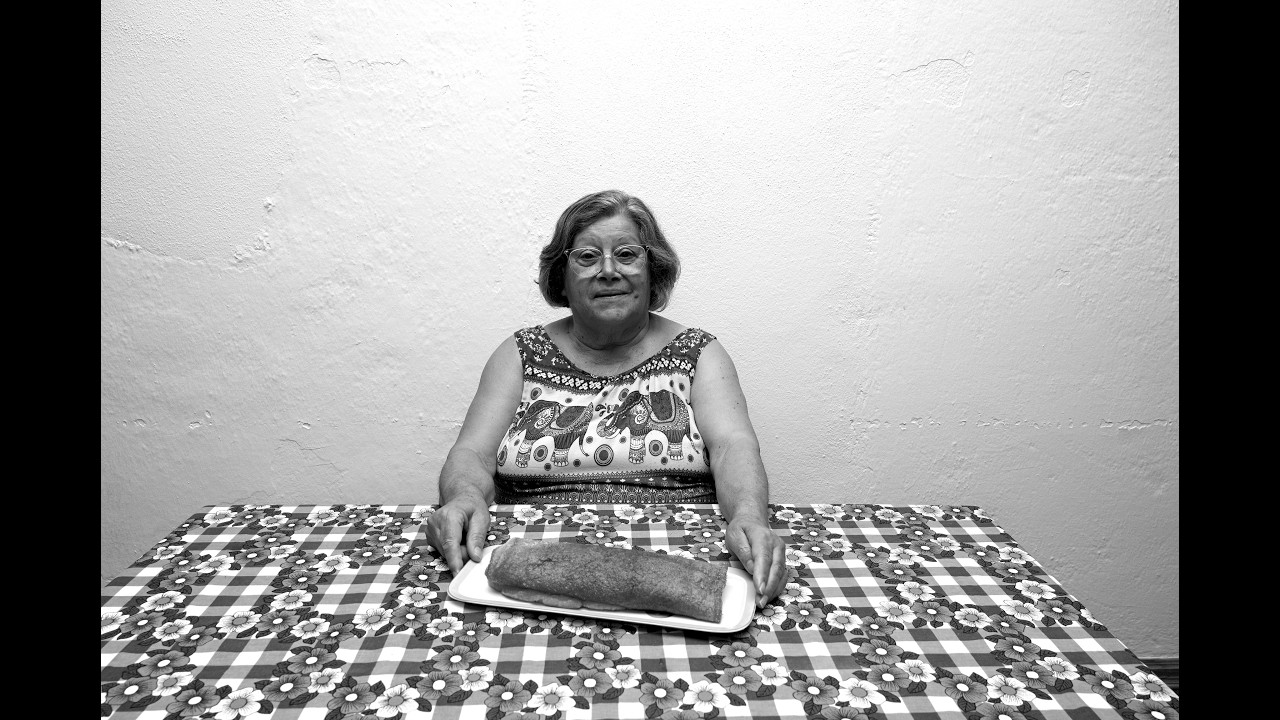
“É uma torta muito antiga.”
“It’s a very old roll.”

“Sou eu quem faz sempre a torta verde para a família.”
“I’m the one who always bakes the greeen roll for the family.”

“Este chá era o que o meu pai bebia ao pequeno almoço todos os dias. Por isso para mim é uma recordação importante, que me lembra o meu pai.”
“This tea is what my father used to drink for breakfast every day. That’s why, for me, it’s an important memory. It reminds me of him.”

“Estas receitas foram-me passadas por outras pessoas.”
“These recipes were passed on to me by other people.”